Non-Magnetic Wheelchair: The "Wheels of Safety" Navigating Freely in the MRI Examination Room
When we imagine a wheelchair, we rarely consider the properties of its materials. However, in a crucial hospital setting—the Magnetic Resonance Imaging (MRI) examination room—the common materials of a conventional wheelchair can become a critical safety hazard. The non-magnetic wheelchair is an innovative device created specifically to address this challenge, ensuring that wheelchair users can safely undergo essential examinations.
Why Does the MRI Room Require a "Non-Magnetic" Wheelchair?
To understand the value of a non-magnetic wheelchair, one must first comprehend the stringent environment of an MRI examination:
Ⅰ:Extremely Strong Magnetic Field: A standard clinical MRI scanner has a very high static magnetic field strength. This powerful magnetic field is active at all times.
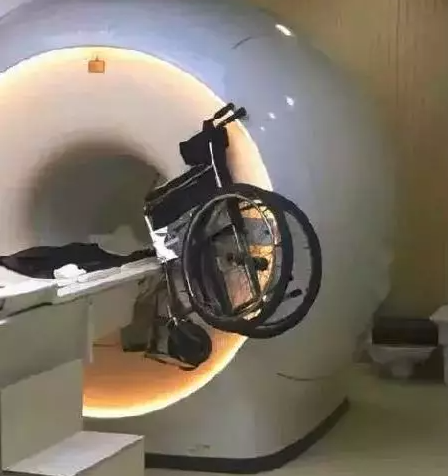
Ⅱ:Projectile Effect: Certain common objects, if brought into this strong magnetic field zone, can be instantly and powerfully attracted, flying like a projectile toward the center of the machine. Components commonly found in standard wheelchairs are a primary source of risk, potentially causing equipment damage and severe injury to the patient in the wheelchair or medical staff.
Ⅲ:Image Artifacts Related to the Wheelchair: Even if the wheelchair is not pulled in, some of its components can distort the uniform magnetic field, causing artifacts in the MRI images and compromising diagnostic accuracy.
Ⅳ:Heating Risk: Changing gradient magnetic fields can induce eddy currents in certain components, potentially causing parts of the wheelchair to heat up and burn the patient seated in it.
Therefore, MRI rooms are strictly divided into different safety zones. The core area prohibits entry of any materials that could pose a risk, which also means standard wheelchairs are absolutely forbidden.
The Non-Magnetic Wheelchair: How is the Safety Miracle Achieved?
A non-magnetic wheelchair is not simply a replacement of materials from a conventional one; it is a systems engineering project. Its core secret lies in comprehensive material innovation and meticulous design considerations, ensuring the entire wheelchair's safety:
Ⅰ:Primary Wheelchair Frame Materials:
Materials that are high-strength, lightweight, and completely non-magnetic form the foundation for creating a safe wheelchair.
Materials with higher strength, excellent corrosion resistance, and complete non-magnetism. Often used for critical load-bearing components in wheelchairs requiring greater strength.
Advanced Engineering Plastics and Composites: Used for wheelchair seats, backs, armrests, and other parts to achieve lightness and safety.
Ⅱ:Critical Wheelchair Connection and Moving Parts:
Fasteners: All connecting parts on the wheelchair are manufactured from special safety materials.
Bearings: Bearings in the wheelchair wheels and rotating parts use advanced ceramics or specially designed safety material bearings.
Wheels: Wheelchair tires are made of rubber or polymer, and the wheelchair rims/hubs are made from special alloys or composite materials.
Ⅲ:Thorough Safety-First Design:
The use of any materials that could pose a risk is eliminated from the design stage, ensuring every tiny component of the wheelchair meets the strictest safety standards.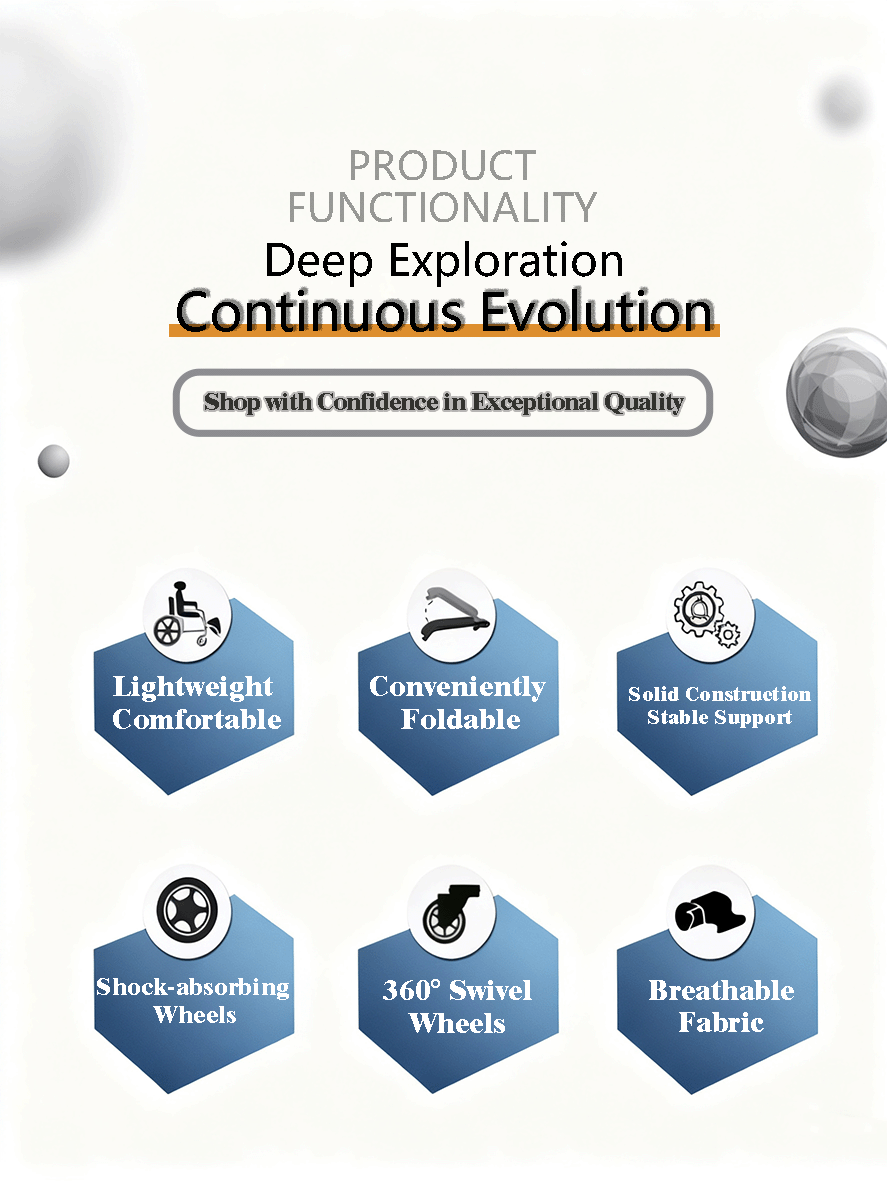
Primary Application Scenarios: New Frontiers of Safety for Wheelchairs
Although designed for the MRI environment, the advantages of non-magnetic wheelchairs are expanding their applications:
Ⅰ:Core Transport Wheelchairs in Medical Imaging Centers: For safely transporting patients between MRI rooms, CT rooms, and other examination areas. Using this wheelchair eliminates the need for mid-transfer chair changes, improving efficiency and safety, and ensuring the patient uses a safe wheelchair from bed to examination.
Ⅱ:Critical Care and Operating Room Transport: Used for transporting critically ill patients. The properties of this non-magnetic wheelchair ensure barrier-free access to various examination rooms in emergencies, making it a versatile, safe transport wheelchair.
Ⅲ:Specialized Industrial and Laboratory Environments: In areas extremely sensitive to minute interference, such as precision instrument labs and semiconductor cleanrooms, non-magnetic wheelchairs are ideal work wheelchairs.
Public Security Checkpoints: These wheelchairs can pass quickly through specialized detection equipment without triggering alarms, facilitating access for wheelchair users.
How to Identify and Choose a Non-Magnetic Wheelchair?
Clear Labeling: Legitimate non-magnetic wheelchairs will have prominent labels such as "MRI Safe" or "Non-Magnetic," and specify the maximum magnetic field strength they are safe for.
Professional Certification: Choose wheelchairs produced by specialized manufacturers. Products typically come with test reports compliant with MRI environment safety standards.
On-Site Testing: In hospital environments, specialized equipment is commonly used for rapid initial screening of the wheelchair to ensure it fully meets safety requirements.
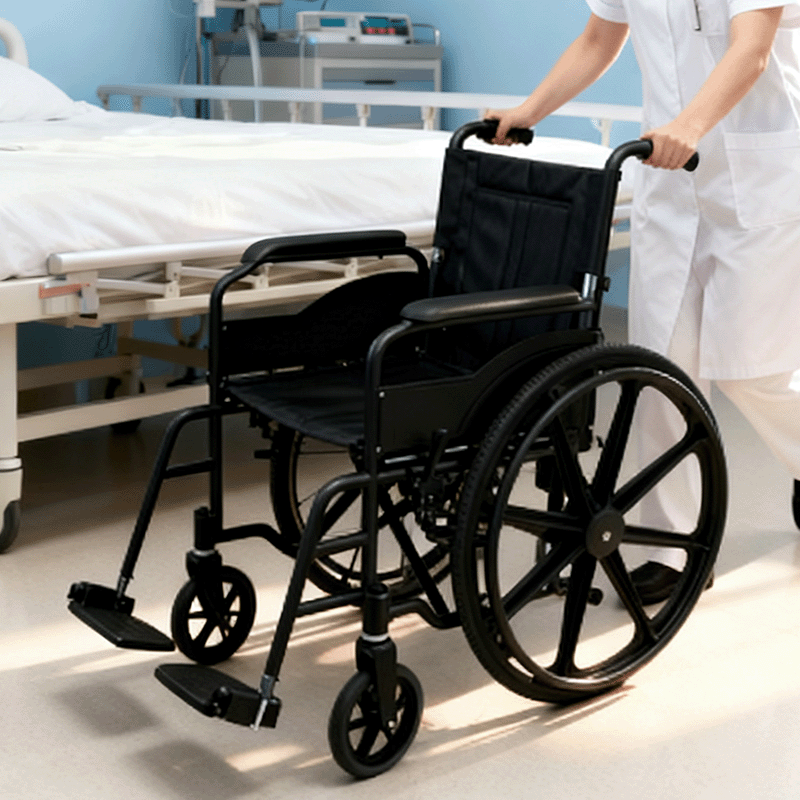
Functional Considerations: As with evaluating any wheelchair, consider its load capacity, foldability, seat comfort, and maneuverability. Excellent non-magnetic wheelchairs also possess desirable features like lightness and adjustability.
Post time: Dec-10-2025